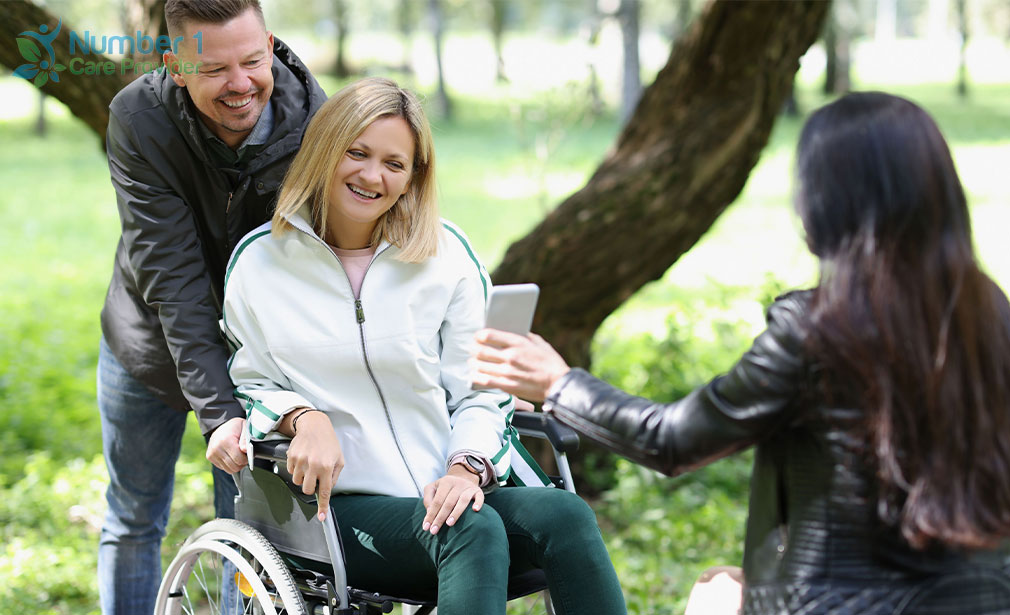
Empowering independence with support and encouragement is a crucial aspect of helping individuals with disabilities live fulfilling and autonomous lives. Here are some strategies to foster independence while providing necessary support and encouragement:
1. Personalized Support Plans
- Tailored Plans: Develop support plans that are customized to the individual’s needs, preferences, and goals.
- Involve the Individual: Ensure the person is actively involved in creating their plan, promoting ownership and empowerment.
2. Skill Development
- Life Skills Training: Offer training in essential life skills such as cooking, budgeting, personal care, and time management.
- Workshops and Classes: Provide access to workshops and classes that help build new skills and enhance existing ones.
3. Assistive Technology
- Use of Technology: Incorporate assistive technology to aid in daily tasks and increase independence.
- Training: Ensure the individual receives proper training on how to use the technology effectively.
4. Encouragement and Positive Reinforcement
- Celebrate Successes: Acknowledge and celebrate achievements, no matter how small, to build confidence.
- Positive Feedback: Provide constructive and positive feedback to encourage continuous improvement and resilience.
5. Support Networks
- Build Relationships: Encourage the development of strong support networks including family, friends, and community members.
- Peer Support: Promote participation in peer support groups where individuals can share experiences and offer mutual encouragement.
6. Access to Resources
- Informational Resources: Provide access to information about available services, programs, and resources.
- Educational Opportunities: Offer opportunities for further education and learning to promote personal and professional growth.
7. Fostering Decision-Making
- Choice and Control: Empower individuals to make their own choices regarding their care, daily activities, and lifestyle.
- Problem-Solving Skills: Teach and encourage problem-solving and decision-making skills to build confidence and autonomy.
8. Physical and Mental Health
- Health Management: Support individuals in managing their health through regular medical check-ups, exercise, and a healthy diet.
- Mental Health: Provide access to mental health resources and support to ensure emotional well-being.
9. Community Integration
- Community Activities: Encourage participation in community activities and events to build social connections and reduce isolation.
- Volunteering: Promote volunteer opportunities as a way to gain experience, build skills, and contribute to the community.
10. Regular Reviews and Adjustments
- Progress Monitoring: Regularly review the individual’s progress towards their goals and make necessary adjustments to their support plan.
- Feedback Loop: Maintain an open feedback loop where the individual can express their needs and preferences.
11. Advocacy and Rights Education
- Self-Advocacy: Teach individuals how to advocate for themselves and their rights.
- Rights Awareness: Ensure they are aware of their rights and how to exercise them.
By combining these strategies, individuals can be empowered to lead more independent lives while still receiving the support and encouragement they need. This holistic approach not only enhances their quality of life but also fosters a sense of self-worth and achievement.