
5 mins read
Key Takeaways
- Practical life skills help individuals manage daily tasks and build independence
- Developing these skills can significantly improve self-esteem and confidence
- Activities such as cooking, budgeting, and social interaction support long term growth
- Support workers play a key role in guiding and encouraging progress
- Number 1 Care Provider offers personalised support to help participants build life skills and confidence
Self-esteem plays an important role in how people see themselves, interact with others, and approach everyday challenges. For people living with disability, building confidence and independence often starts with developing practical life skills. Through the right support and guidance, NDIS services can help individuals build these skills in a way that is meaningful and sustainable. In this guide, we explore how practical life skills activities can improve self-esteem and support long term independence.
What Are Practical Life Skills?
Practical life skills are everyday abilities that help individuals manage daily tasks and responsibilities. These skills are essential for independent living and personal development. They may include:
- Cooking and meal preparation
- Cleaning and household tasks
- Personal care and hygiene
- Money management and budgeting
- Time management and planning
- Communication and social interaction
These skills are often supported through NDIS funding under Capacity Building or Core Supports, depending on the individual’s plan. If you are unsure how these supports fit into your plan, you can learn more about what the NDIS is and how it works.
How Life Skills Build Self-Esteem
Developing practical life skills is closely linked to building confidence. When individuals learn to complete tasks independently, they gain a sense of achievement and control over their daily lives. This can lead to:
- Increased confidence in decision making
- Greater independence at home and in the community
- Improved social interaction
- A stronger sense of identity and purpose
Small successes can make a big difference. Over time, these achievements help build long term self-esteem and resilience.
Examples of Life Skills Activities
Life skills development does not need to be complex. Simple, consistent activities can have a meaningful impact.
Daily Living Activities
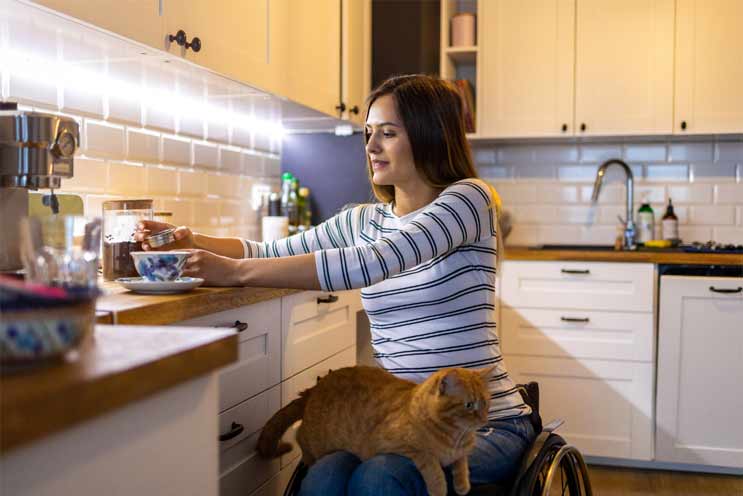
Tasks such as preparing meals, doing laundry, or organising a daily schedule help build routine and responsibility.
Community Participation
Activities like shopping, attending appointments, or using public transport support confidence in real world settings.
Social Skills Development
Practising communication, teamwork, and problem solving helps individuals feel more comfortable in social environments.
Financial Skills
Learning how to manage money, budget, and make purchases builds independence and decision making skills.
Many of these supports can be included as part of broader NDIS services that focus on daily living and community engagement.
The Role of Support Workers
Support workers play an important role in helping individuals develop life skills in a safe and encouraging environment. A good support worker will:
- Provide guidance without taking over tasks
- Encourage independence and confidence
- Adapt activities to suit individual abilities
- Offer positive reinforcement and feedback
This approach helps individuals learn at their own pace while building trust and confidence. If additional guidance is needed, a support coordination service can help connect participants with the right supports and programs.
Creating a Supportive Environment
Building self-esteem takes time, consistency, and the right environment. A supportive approach includes:
- Setting realistic and achievable goals
- Celebrating small achievements
- Encouraging participation in decision making
- Maintaining a consistent routine
- Providing opportunities for independence
Family members, carers, and support providers all play a role in creating this environment.
How Number 1 Care Provider Supports Life Skills Development
At Number 1 Care Provider, we support participants in developing practical life skills that improve independence and confidence. Our approach focuses on:
- Personalised support based on individual goals
- Real life skill building activities
- Encouraging independence at every stage
- Consistent and respectful support
We work closely with participants, families, and support coordinators to ensure services are aligned with each person’s NDIS plan. You can learn more about our approach to care and how we support long term development.
Ready to Build Confidence Through Life Skills?
Developing practical life skills is a powerful step toward greater independence and self-esteem. With the right support, individuals can build confidence, improve daily routines, and achieve meaningful personal goals. Contact our team to learn more about life skills support and available services. You can also make a referral online and we will be in touch.